Voice tutorial

A narakeet tutorial free workflow for your first voice sample

Use this narakeet tutorial free walkthrough to make one short narration test before committing to a longer script. You will choose a path, prepare readable text, listen for problems, and check the current access terms before proceeding.

Check access terms before proceeding
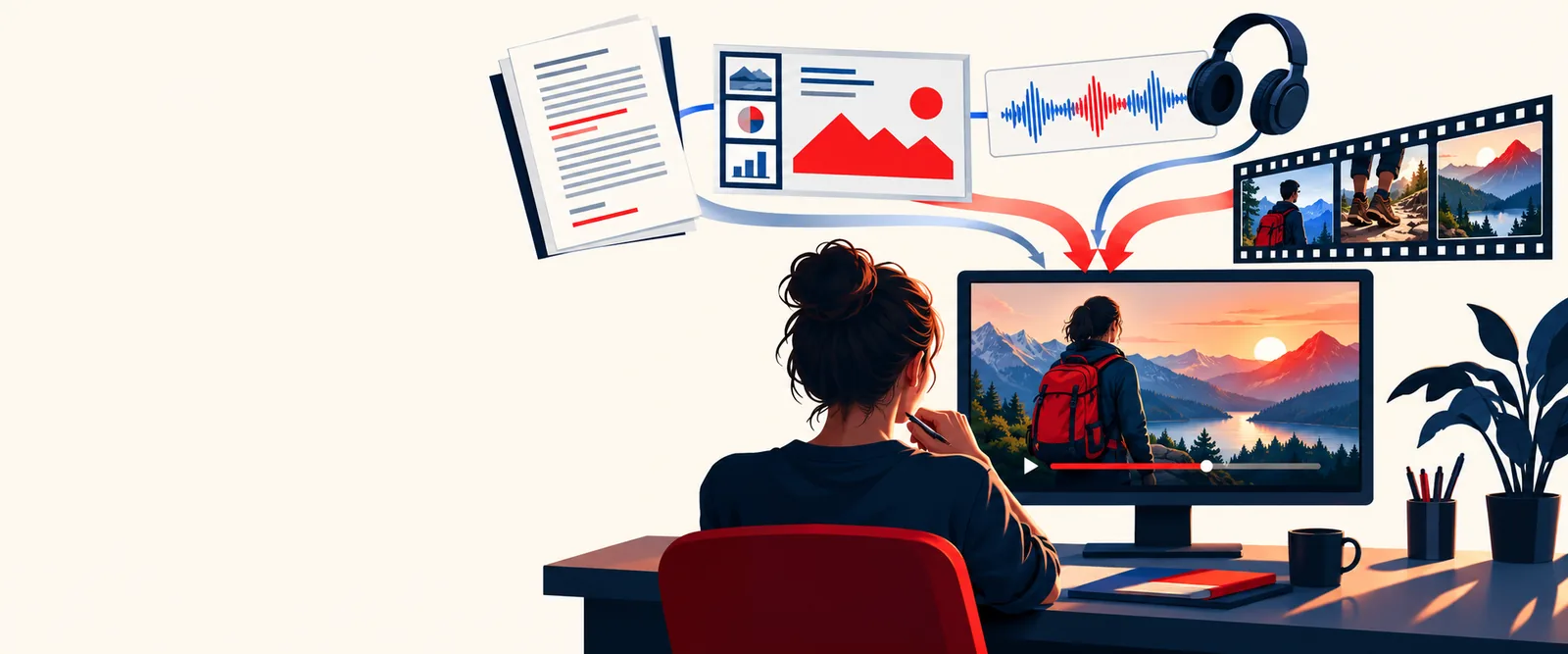
Narakeet voice-production illustration

path A

Take this route when your starting material is text and your goal is a new spoken narration.

Write a small test

Start with two or three sentences that resemble your real project. Include a name, a number, or another detail you care about pronouncing correctly. A short sample makes it easier to hear pacing problems without sorting through a full lesson or announcement.

Choose and listen

Open the voice tool and review the options it currently offers. If a suitable voice and preview are available, listen to the complete sample rather than judging by its first few words. Note where the reading sounds rushed, ambiguous, or unlike the tone you intended.

Revise the words

Add punctuation for pauses, spell out an abbreviation when its reading matters, and break long sentences into shorter ones. Test the revised script again. Keep your original text nearby so you can tell whether a change improved the narration or accidentally changed its meaning.
path B

Take this route when you have an existing recording, or when you are unsure whether text-to-speech is the right tool.

Required

A written transcript of the words you want spoken

Text-to-speech starts from text; an existing audio file alone is not a narration script.

Required

Permission to use any source material or recording

Confirm that you may reuse the words and any audio you intend to publish.

Required

A clear goal: replace speech, create new narration, or edit the original audio

These are different jobs and may call for different tools.

Required

A short passage for comparing your current recording with a new reading

Use the same words in both so the comparison is meaningful.

Optional

A pronunciation list for names, places, and specialist terms

Write down problem words before testing alternate spellings.

Optional

Headphones for checking pauses, clipping, and background noise

They can make issues easier to notice than laptop speakers.

Know what this route cannot confirm

A tutorial can show you what to test, but it cannot establish the terms or capabilities of a tool you have not checked.

It cannot promise a free export

An accessible page, a sample preview, and a downloadable finished file are different things. Availability and conditions can change, and this guide does not verify the current terms of a particular action.

WorkaroundRead the terms shown at the tool before preparing a long project or relying on a downloadable result.

It cannot turn a recording into a new voice by itself

The text route produces narration from written words; it is not the same task as altering the voice in an existing recording. If you only have audio, you may first need a transcript.

WorkaroundIdentify whether you need transcription, audio editing, or fresh narration, then select a workflow for that job.

It cannot guarantee pronunciation

Names, acronyms, figures, and unfamiliar vocabulary may be read differently from what you expect. Even a convincing opening line says little about the rest of a longer passage.

WorkaroundTest difficult words in context and listen to the full passage after each meaningful edit.

Test a script that fits your audience

Keep the first sample brief, but make it representative. These three scripts expose different kinds of reading problems.

Explain one idea clearly

For a lesson, write an opening that introduces a concept and gives the listener a reason to continue. Put a deliberate pause between the topic and the explanation. If Narakeet reads a technical term poorly, try an unambiguous phrasing before adding more content.

  • Sample: Today we will look at condensation. It begins when warm, moist air cools.
  • Check whether the term is clear and whether the second sentence starts at a comfortable pace.
  • Revise for a listener who cannot see your slides or notes.

Make details easy to catch

An announcement is a useful test for dates, times, and proper names. Speakable wording matters more than fitting every detail into one sentence. Compare the generated reading with your written source, especially where a mistaken number would change the message.

  • Sample: The workshop begins on Thursday at nine in the morning. Please arrive ten minutes early.
  • Listen for a pause between the schedule and the instruction.
  • Confirm every date, name, and number against the original.

Match narration to the action

For a demonstration, draft only the line that accompanies one visible step. Test whether a listener has enough time to understand it without rushing. A voice sample cannot establish video timing on its own, so check the line alongside your actual edit.

  • Sample: Open the settings menu. Then select the notification option.
  • Listen for a clear separation between the two actions.
  • Shorten the wording if the on-screen step finishes before the sentence does.

final check

Run one careful voice test

Before moving to a full project, compare the spoken sample with your source line by line. Check names, numbers, pauses, and overall meaning. Then confirm the tool's current access and usage terms for the action you need. A short, reviewed test is more useful than assuming a longer script will sound right on its first pass.

  • Keep the original wording for comparison.
  • Listen to the entire sample.
  • Verify access terms before relying on an export.

tutorial FAQ

Yes. Start with a short passage that includes the kinds of words your final project will use. A representative sample helps you assess pronunciation and pacing before you spend time drafting the rest.

No. This guide does not establish current preview, generation, or download terms. Check the conditions displayed by the tool for the specific action you intend to take.

Test the name in a complete sentence rather than in isolation. You can try clearer surrounding punctuation or an alternate written form, then listen again to ensure the change does not affect the sentence's meaning.

This workflow starts with written text and tests a new narration. Changing speech already present in an audio file is a different task. Decide whether you need a transcript, an edit to the recording, or newly spoken text before choosing a tool.

Listen all the way through while reading the source text. If the words, pauses, and key details match what you intend, test one more passage with different vocabulary. Recheck access terms before depending on a particular output.

Create audio
Create audio