Narration guide

How to plan a project with narakeet for ai voice

Searching for narakeet for ai voice usually means you have words to turn into usable narration. Start with the audience, the script, and the review process—not a voice choice alone. This independent guide is not an official Narakeet page.

Check options and terms at the destination
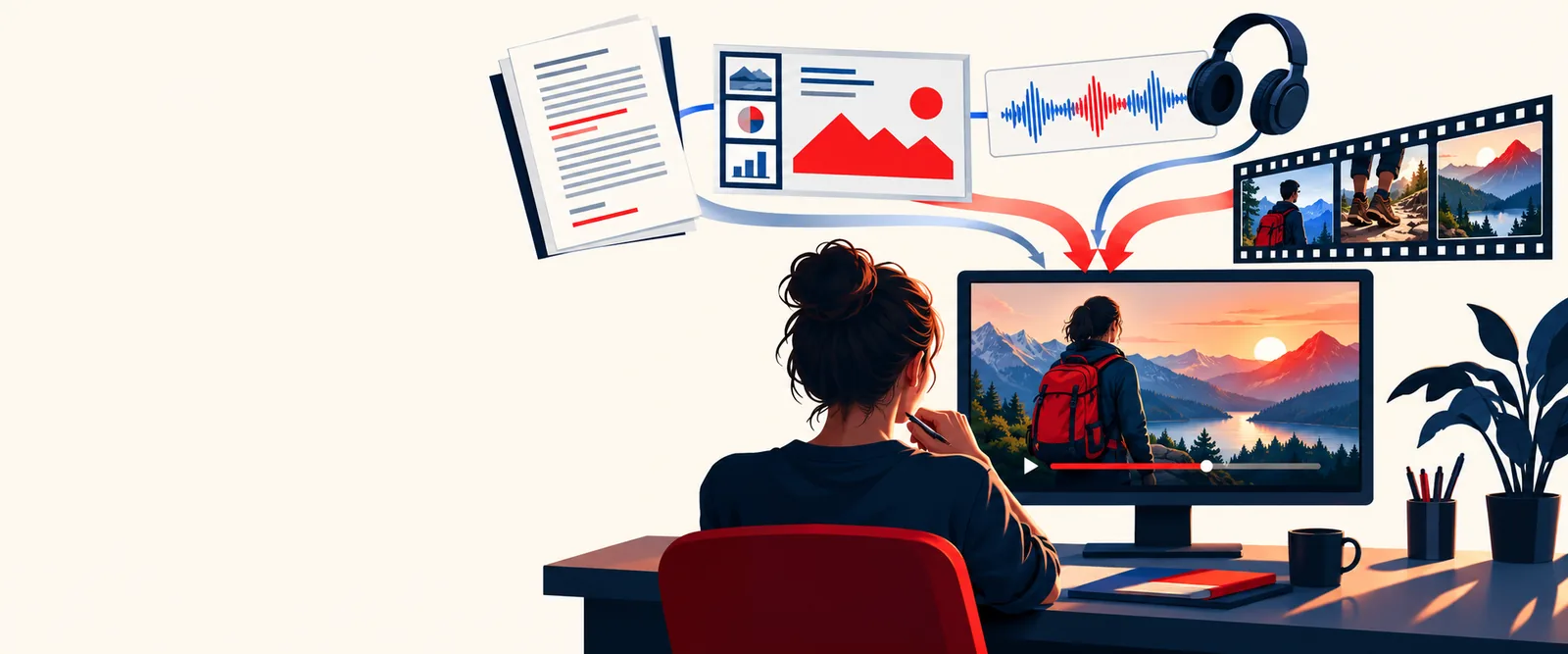
Voice production imagery for planning a narrated project

The scenario's pain

A script that reads well on screen can sound rushed, ambiguous, or unnatural when spoken. Different audiences expose different problems.

Course creator

A lesson contains headings, abbreviations, and on-screen demonstrations that make little sense without pauses or visual context.

Rewrite each segment as a spoken instruction, then check whether the narration still works when the slide changes.

narakeet for ai voice generator

Product marketer

A short demo script tries to explain every feature before the viewer sees the interface.

Keep the voiceover focused on the problem, the visible action, and the result; leave secondary details to captions or supporting copy.

narakeet for voice generator

Internal communications lead

An announcement sounds polished but says a date, policy name, or person's name incorrectly.

Have the information owner approve a pronunciation list and the final spoken wording before distribution.

narakeet for ai voice generator

Accessibility editor

A narrated version repeats text but skips the meaning carried by charts, transitions, or visual emphasis.

Add the missing context to the script and ask a reviewer to follow the audio without watching the screen.

narakeet for voice generator
3 concrete workflows

Pick the workflow that matches what the listener must understand. These are editorial processes, not claims about controls available in any particular service.

Turn slide notes into a teachable explanation

Copy one lesson segment into a separate script. Replace references such as “as you can see here” with a description of the relevant visual. Read it aloud while advancing the slides, then mark where the listener needs a pause.

  • Define unfamiliar terms before using their abbreviations.
  • Keep each spoken segment aligned with one visual idea.
  • Ask a learner to identify the main takeaway from audio alone.

Write to the actions on screen

List the steps the viewer actually sees, then write a short line for each meaningful change. Avoid describing a click after it has happened. Review the script against a rough cut before producing a final narration.

  • Open with the user problem, not a feature inventory.
  • Match spoken claims to what the recording demonstrates.
  • Leave room for the interface to be understood.

Separate approved facts from delivery

Get the announcement text approved before experimenting with tone. Flag names, dates, numbers, and policy language for a second check. Listen to the complete result rather than approving isolated sentences that may sound different in sequence.

  • Identify who owns each factual claim.
  • Write out pronunciations where spelling is ambiguous.
  • Keep an approved copy of the final script.

Example output

These sample lines show how the workflows change the writing. They are illustrative scripts, not audio generated or verified on this site.

    • Lesson

      Lesson segment: explain the chart

      Try a lesson script

      Execution sequence

      1. Compare the line with the actual chart.
      2. Check that the color references have an accessible alternative.
      3. Listen for a pause before the next slide.

      Sample script: “The blue line rises after the second week, while the orange line stays nearly level. That gap is the result to remember.” The narration states the visual takeaway instead of asking the listener to infer it.

    • Demo

      Demo segment: follow the screen

      Try a demo script

      Execution sequence

      1. Place the sentence beside the corresponding screen action.
      2. Remove claims the recording cannot support.
      3. Check that the final call to action matches the destination.

      Sample script: “Choose the report, set the date range, and review the updated summary.” It names only actions visible in the proposed sequence. If the recording differs, change the script rather than implying a step occurred.

    • Announcement

      Announcement segment: protect the details

      Try an announcement script

      Execution sequence

      1. Insert only the approved date and policy name.
      2. Confirm pronunciation with the information owner.
      3. Review the complete recording before sharing it.

      Sample script: “The new guidance takes effect on the date in your approved notice. Please read that notice before changing your process.” Replace the placeholder with an approved date; never treat an example as a published announcement.

    Compliance notes

    Review the script, the voice, and the destination

    If you are evaluating narakeet for ai voice, distinguish this independent guide from Narakeet's own service. The action here goes to a separate voice service; inspect its current capabilities, usage terms, and privacy information there. Obtain permission for material you submit, avoid imitating a real person without authorization, and have a human approve factual or consequential messages before publication.

    • Do not enter confidential text until you have reviewed the destination's data practices.
    • Check commercial-use and distribution terms for the service and any source material.
    • Disclose synthetic narration when your audience or publishing rules require it.

    Scenario FAQ

    It usually describes using an AI voice service to narrate a prepared script. For a useful result, plan what the listener needs to understand, then review the spoken delivery against the source material.

    Yes. A clear script makes it easier to compare delivery without confusing writing problems with voice problems. Read it aloud first to catch long sentences, unexplained abbreviations, and awkward transitions.

    The same facts may carry across, but the spoken structure usually should not. A lesson explains ideas, a demo follows visible actions, and an announcement puts approved details first.

    No. This is an independent planning guide, and its action links lead to a separate voice service. Check that service directly for available features, terms, and data-handling information before submitting a script.

    Create audio
    Create audio